
05-28-2026
Kratos and Mistake Literacy
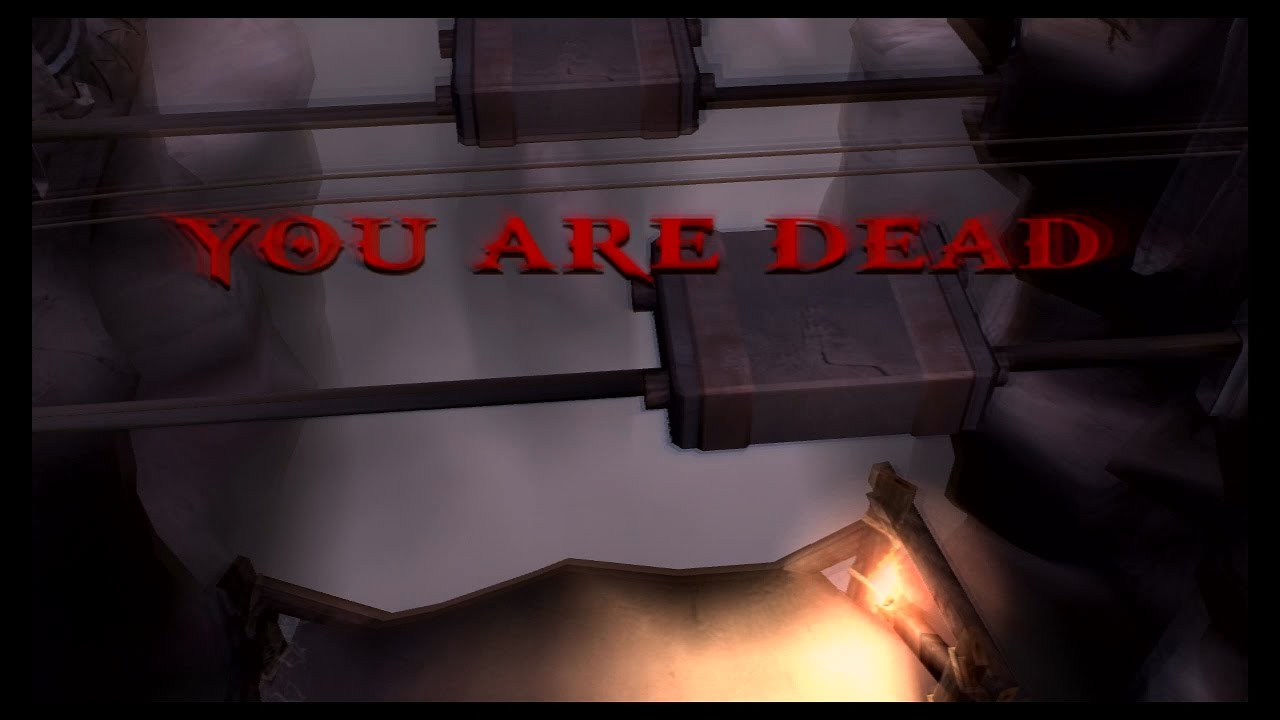
I recently completed a second run of God of War (2005) and noticed something strange: the game is incredibly repetitive. The same 3-5 enemies every level, the same handful of puzzle mechanics, the same push/pull/mash loop. I loved it when it came out, and I loved it just as much last week. That got me thinking about repetition, how it kills my interest in some games but sharpens it on others.
Reading the Room
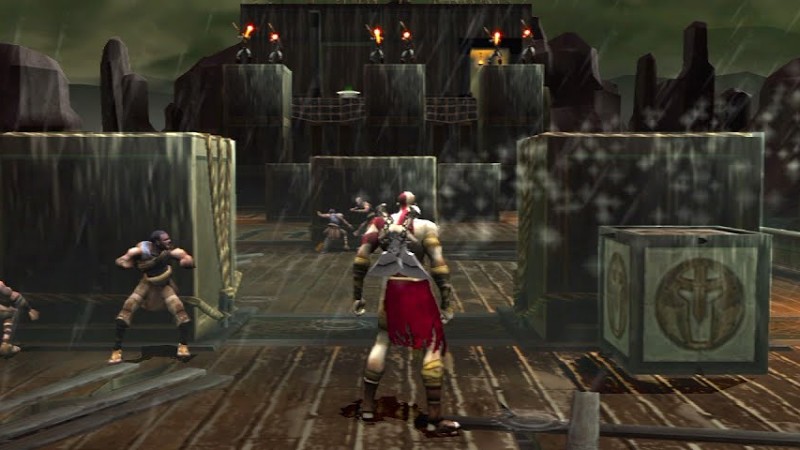
Throughout the game, Kratos is pinned against multiple undead archers. These enemies are annoying because they hit from far away, out of Kratos' range. Other enemies might rush in to hit you but these archers stay put, shooting their exploding arrows every few frames. At the start of the game, you prioritize the rushing enemies, thinking they are more of an immediate issue. Not too long passes before you realize it is easier to ignore everything until you clear the archers first. That is mistake literacy. You ran into the problem, it cost you, and now you know better. The example above might seem obvious but that is the point. Our issues as engineers are very complex, and made up of multiple parts. God of War gave me small, contained issues to tackle and to learn from, that behave very similarly to problems in other fields. Perfect for people to grasp the idea of mistake literacy and pattern recognition. God of War didn't teach me strategy. It taught me to see the room before I react to it.
Skipping the Basics
Not too long ago, I noticed that a few developers had difficulties with maintaining flexibility when met with an issue. Instead of testing and analyzing the problems, these devs would freeze up. AI tools are showing up earlier and earlier in a developer's career, and I think it's costing them the bugs. Not the fixes. The bugs. The frustrating, embarrassing, hours-long bugs that teach you what to look for next time. I am glad for the experience that molded me, and for the time that I spent working without tools that take over for me. These problems I ran into have taught me to recognize them before they happen. I can see the flags, and I can react accordingly. Just like in God of War, seeing myself getting better with each problem has given me confidence to make better use of the tools given. I wonder if the next generations will be given the chance to learn from their mistakes.